
How Do Contact Materials Affect Circuit Breaker Prices?
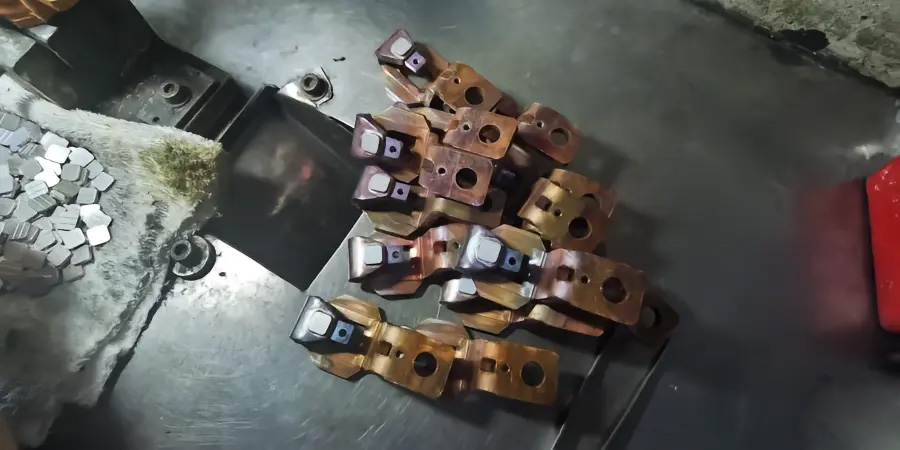
Two circuit breakers may look very similar. They may have the same rated current, similar dimensions, and even a similar basic design. But their prices can still be quite different. There are many reasons for this, and contact material is one of the most important ones.
Contacts are only a small part of a circuit breaker, but the contact material is an important factor when our sales team prepares a quotation. Different circuit breakers may use different contact materials, and the cost of these materials can affect the final product price.
For many customers, contact material is not a familiar word. When comparing circuit breakers, they usually focus more on the specifications and technical data shown on the paper. They may not pay much attention to the materials used inside the breaker. However, if you want to understand why a circuit breaker has a certain price, contact material is one part worth knowing about.
Why Circuit Breakers Use Different Contact Materials?
Although contacts are small, they are the parts that directly carry and break the current. When the breaker is closed, the contacts need to keep a good electrical connection. When the breaker opens, they also need to deal with the arc created during switching. So, contact materials need to do more than simply conduct electricity.
Different circuit breakers also have different working conditions. Their rated current, breaking capacity, switching frequency, product design, and expected service life may all be different. In some products, the contacts need to maintain a stable connection for a long time. In others, they may need to withstand more switching operations and more arc exposure. These different requirements can lead to different choices of contact materials.
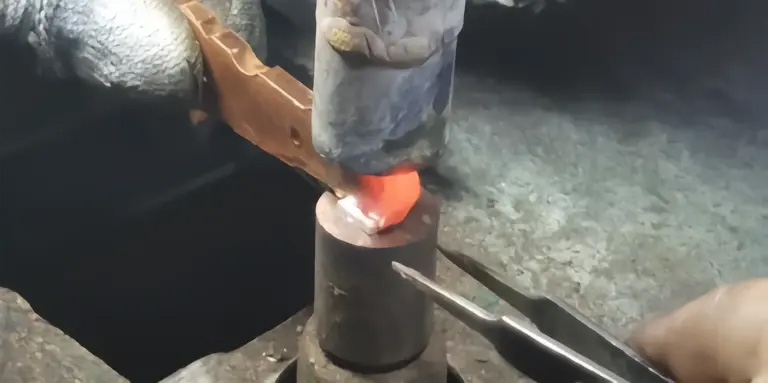
Welding silver contact on mccb moving contact
Contact materials also different in their properties. Some offer good electrical conductivity, while others provide better resistance to arcing, welding, or wear. Some materials can also provide a balance between performance and cost. For this reason, manufacturers do not simply use one contact material for every circuit breaker. They select materials based on the specific requirements and budget of the project.
This is why two circuit breakers that look very similar on the outside may use different contact materials inside. For buyers, these differences may not be visible from the product appearance or standard specifications, but they can still affect the cost behind the quotation.
Licen Insights
You may be wondering: if customers do not know much about contact materials, how do we decide which material to use?
In actual sales, our team usually makes a recommendation based on the customer's budget, product requirements, and target market. We consider the balance between performance and cost, and then choose a suitable contact material for the customer.
What Are the Common Contact Materials?
Now that we understand why different circuit breakers use different contact materials, let’s take a simple look at some of the common types used in the market.
One common type is copper-based contact material. Copper has good electrical conductivity, and its material cost is relatively low. For these reasons, copper-based contact materials are widely used in circuit breakers and other electrical products. Depending on the product design and requirements, copper may also be combined with other materials rather than being used on its own.
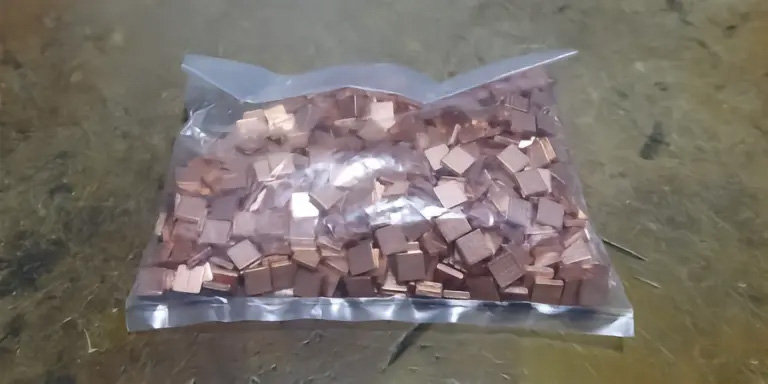
Copper-based contacts
Another common type is silver-based contact material. Silver has very good electrical conductivity, but circuit breaker contacts also need to handle arcing, welding, and wear. So, pure silver is generally not used as the main contact material in circuit breakers. Instead, manufacturers usually use silver-based alloys or composite materials to achieve a better balance of electrical and mechanical properties. However, silver is much more expensive than copper, so silver-based materials usually cost more.
For breakers used under more demanding conditions, manufacturers may use composite materials such as silver-tungsten (AgW) and silver-graphite (AgC). These materials offer a good balance of conductivity, arc resistance, resistance to welding, and wear resistance. Compared with simpler contact materials, they can provide better performance in some more demanding applications.
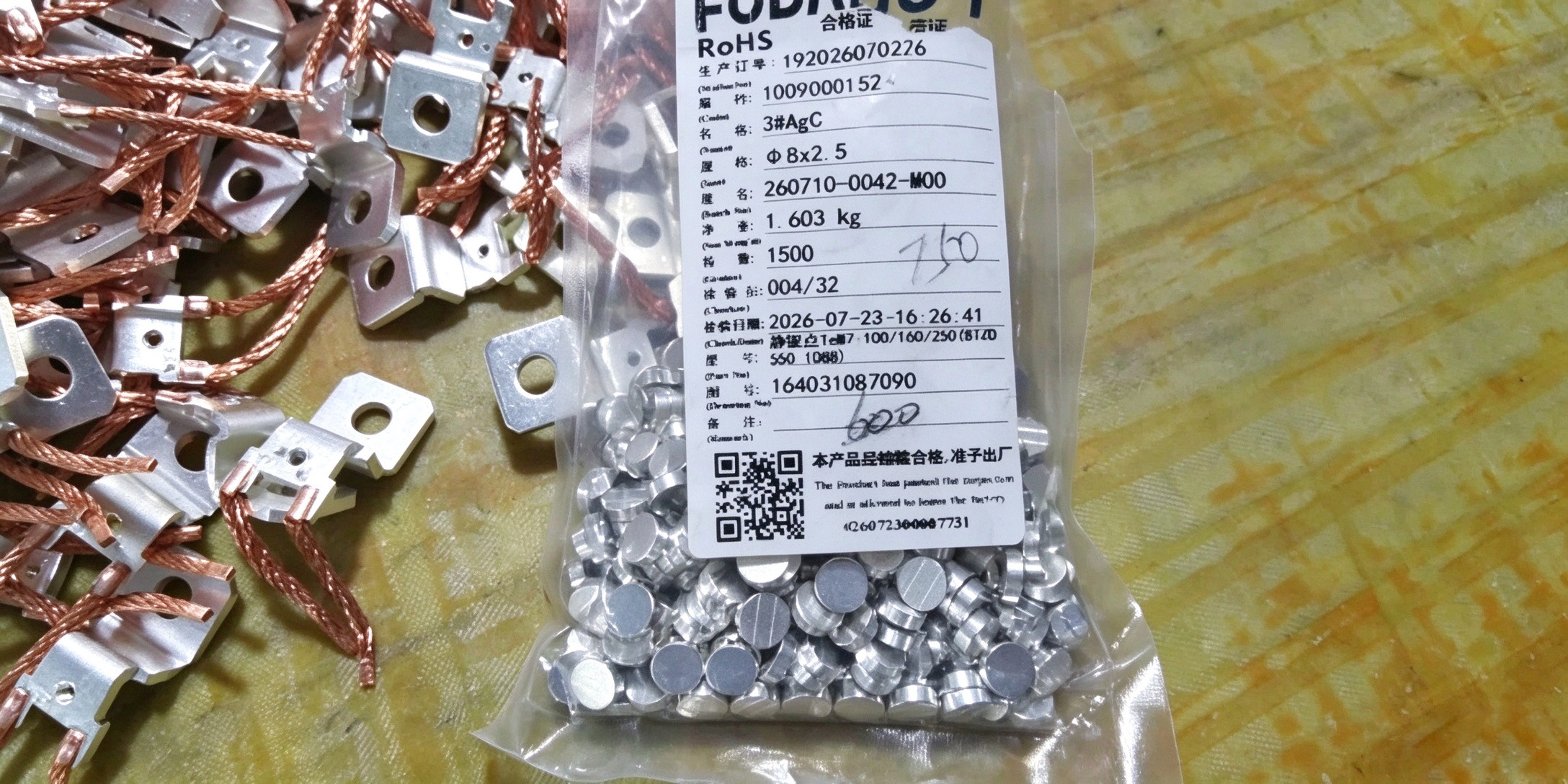
AgC contacts
It is also important to know that manufacturers may use different names for contact materials. Terms such as “silver contact” usually refer to silver-based contact materials rather than pure silver.
The actual composition, silver content, and material structure can be different between products. So, when comparing the material cost of different products, buyers should not look only at terms such as “silver contact.” It is better to check the specific material specification.
How Does Silver Content Differ Between Contact Types?
When you communicate with circuit breaker manufacturers and ask for a quotation, you may also hear terms such as “copper contact,” “composite contact,” “half-silver contact,” and “silver contact.”
These are not strict standard material classifications, but they are commonly used terms in the industry. One of the main differences between them is the silver content of the contacts.
For our mccbs, different contact options can have different silver contents in the moving and fixed contacts:
| Contact type | Silver content in moving contact | Silver content in fixed contact |
|---|---|---|
| Copper contact | Mainly copper | Mainly copper |
| Composite contact | 15% | 25% |
| Half-silver contact | 35% | 42.5% |
| Silver contact | 50% | 80% |
As you can see, the silver content generally increases from composite contacts to half-silver contacts and then to full-silver contacts. The higher the silver content, the more silver material is used. Since silver costs much more than copper, this also increases the cost of the contacts.
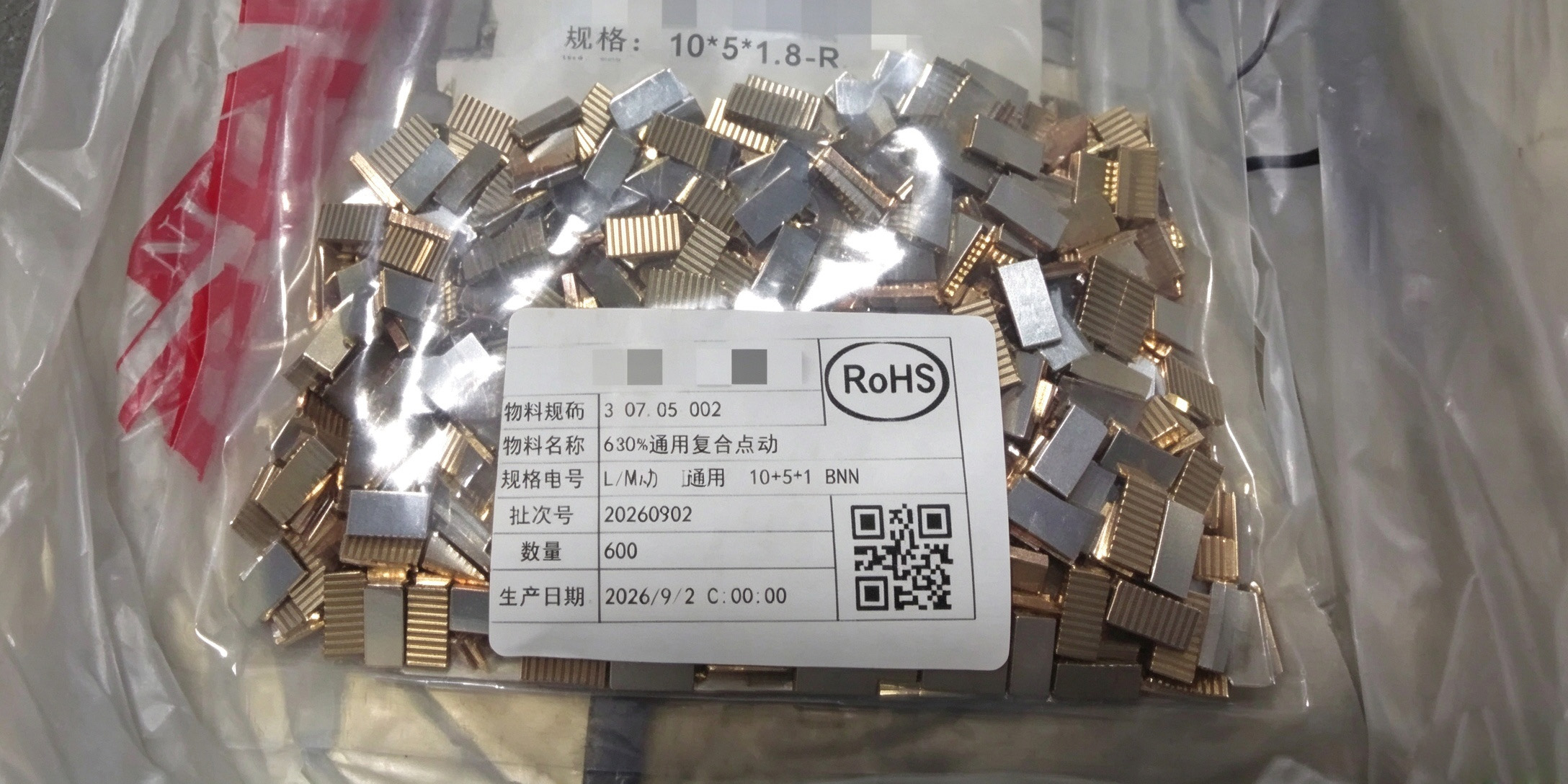
Composite contacts
Of course, the exact contact materials and silver content can vary slightly between different circuit breakers, so they may not always follow exactly the percentages shown above. But in general, a higher silver content usually provides better contact performance, while also increasing material cost and, in turn, the product price.
For example, for a 63A 3P mccb, the contact cost can be about $4.47 for copper contacts, $5.07 for composite contacts, $8.19 for half-silver contacts, and $10.13 for full-silver contacts. So, even with the same basic circuit breaker specifications, the contact configuration alone can create a noticeable difference in cost.
However, contact options are not always available across all breaker sizes. As the frame size and current rating increase, the requirements on the contacts also become higher.
For example, for MCCBs with a frame size of 400A and above, copper contacts may no longer be suitable. Even the lowest contact configuration uses composite contacts. A similar situation can also be found in larger ACBs. As the frame size increases, the contact requirements also become more demanding.
These prices are not fixed, either. The market prices of silver and copper change over time. When copper or silver prices increase, the cost of the contacts can also increase. For contacts with higher silver content, changes in the silver price can have a more bigger effect on material cost.
Licen Insights
Contact materials are not only used in circuit breakers. They are also used in many other electrical products, such as contactors, relays, and switches that use contacts to make and break electrical connections.
Different products have different working conditions and requirements, so the specific contact materials used may also be different.
More broadly, contact materials are a common topic in the electrical industry. When you look at the structure, performance, or price of different electrical products, you may come across similar material choices. Circuit breakers are just one common example.
Final Thoughts
Contacts may be only a small part of a circuit breaker, but they show that the cost of a breaker is not determined only by visible specifications such as size and rated current. The materials and components inside the product can also affect its overall manufacturing cost.
This is why circuit breakers with similar appearances and basic specifications may still have different internal configurations. Once you understand these details, it becomes easier to see where differences in circuit breaker prices can come from.